

Uncovering the Ancient Fossils & Heritage of Skippy Rock
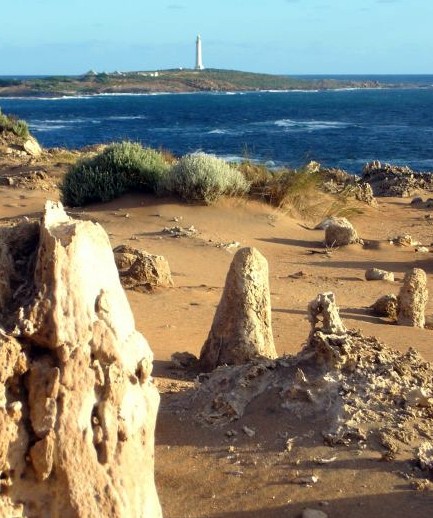
Rhizoliths near Leeuwin Lighthouse Augusta
Located just a short distance from the Leeuwin Lighthouse and Water Wheel, Skippy Rock in Augusta is home to a remarkable and ancient wonder. First documented in the mid-1990s by Tom and Jennifer Wenman, this area features stunning sedimentary rhizoliths fossilized tree trunks and root systems perfectly preserved in time. Estimated to be between 15,000 and 50,000 years old, these formations offer a rare glimpse into an ancient coastal forest.
Rich Boodja Wardandi Heritage
This site is not just a geological marvel; it holds deep cultural significance. To the Noongar Boodja Wardandi people, this area is known as The Nyitting which translates to the cold place or cold times. Elder Dr. Wayne Webb recognizes it as an important Boodja Wardandi heritage site.
Thousands of years ago, the Boodja Wardandi sat beneath these very trees. They resourcefully used the fossil root tubes to carry hot coals and utilized sharp feldspar crystals found in the area to skin their prey.
Sadly, much of this history has been disrupted. Many of the original artifacts and crystal cutting tool edges have disappeared or been covered over by sand. The only warning sign near the site's cliff face completely omits any mention of the fossilized tree trunks or the area's vital Boodja Wardandi heritage.
A Fragile Ecosystem Under Threat
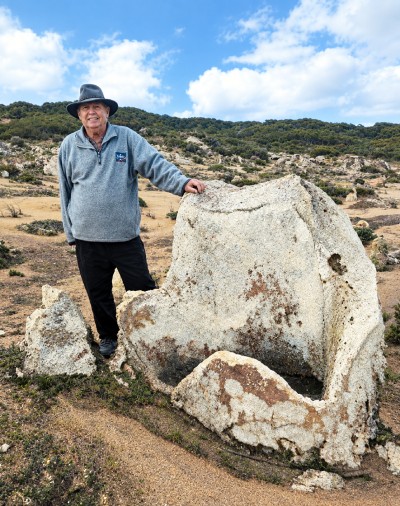
Tom Wenman showing the Rhizoliths
Despite its incredible history, The Nyitting is facing severe threats from neglect and human impact. The short tubular structures, formed when ancient plant roots decayed and the space was filled with lime sand and cement, are incredibly fragile. Unfortunately, a lack of marked tracks and clear signage has led to these delicate fossils being crushed by foot traffic.
A decade ago, there were hundreds of fossil root tubes visible on the surface. Today, they have been reduced to a scattered few, with root systems heavily chipped away by unaware visitors leaving the main paths. Furthermore, the entrance from the Skippy Rock car park has become dangerously overgrown. The lack of safe access means that people with disabilities currently cannot venture beyond the car park to view the formations, which sit just thirty meters away.
A Vision for the Future
To save what remains of this extraordinary site, emergency action and proper infrastructure are urgently needed before these wonders are lost forever. The Margaret River & District Historical Society, spearheaded by project manager Tom Wenman, is actively advocating for immediate protections.
Proposed improvements for the site include:
- Raising public awareness of the area's rich Boodja Wardandi heritage
- Installing proper signage, marked walking tracks, and infrastructure to keep foot traffic off the fragile fossils and halt non-natural deterioration
- Building accessible viewing platforms and ramps so that disabled persons can safely experience the site
- Expanding the car park to accommodate medium-sized tour buses
- Implementing regular site maintenance checks to maintain a high standard of conservation
With the right care and infrastructure, The Nyitting has the potential to become a premier tourist attraction. By preserving these ancient fossils and honoring the heritage of the Boodja Wardandi, we can ensure this extraordinary geological and cultural treasure is celebrated and protected for generations to come.